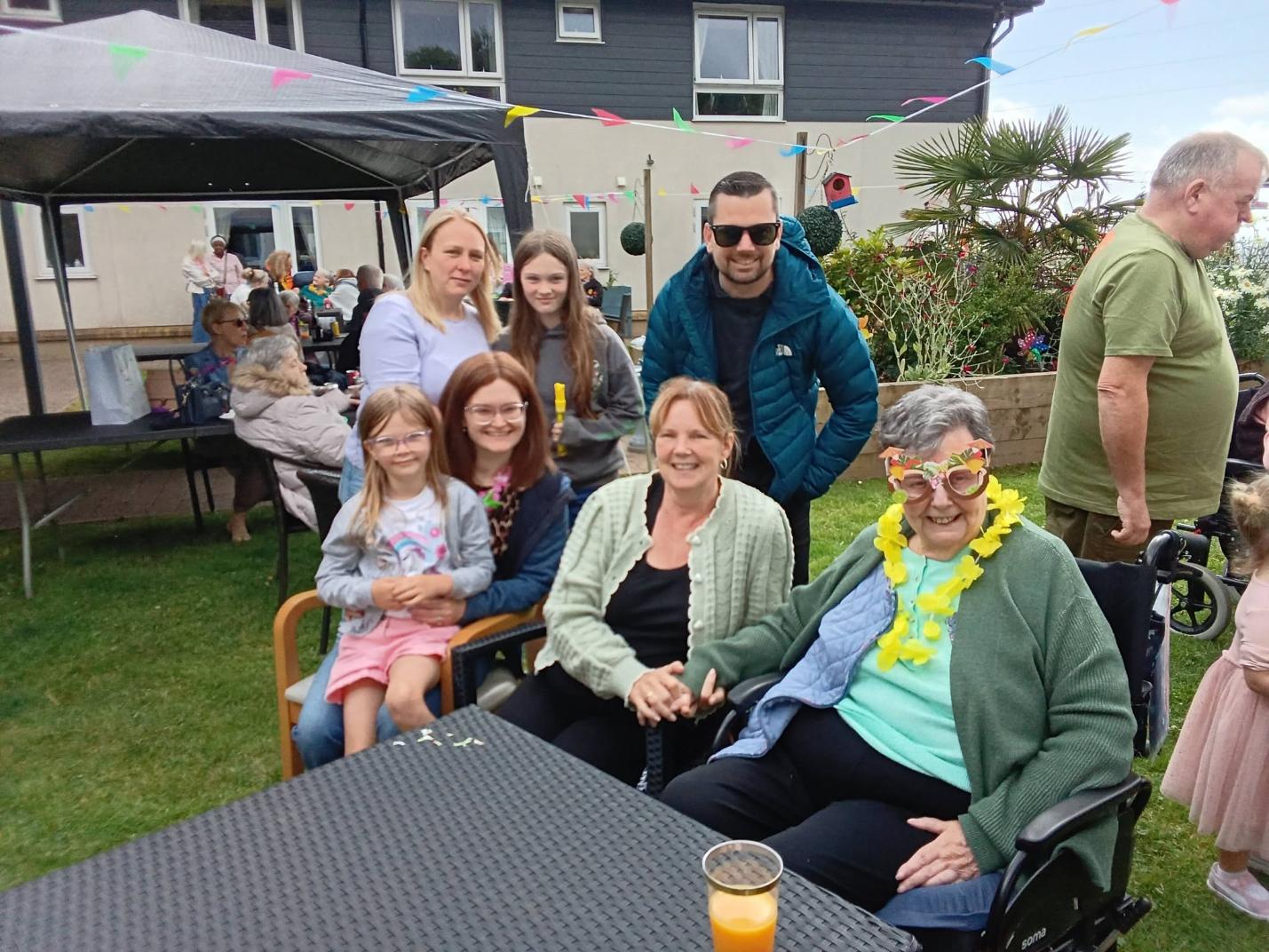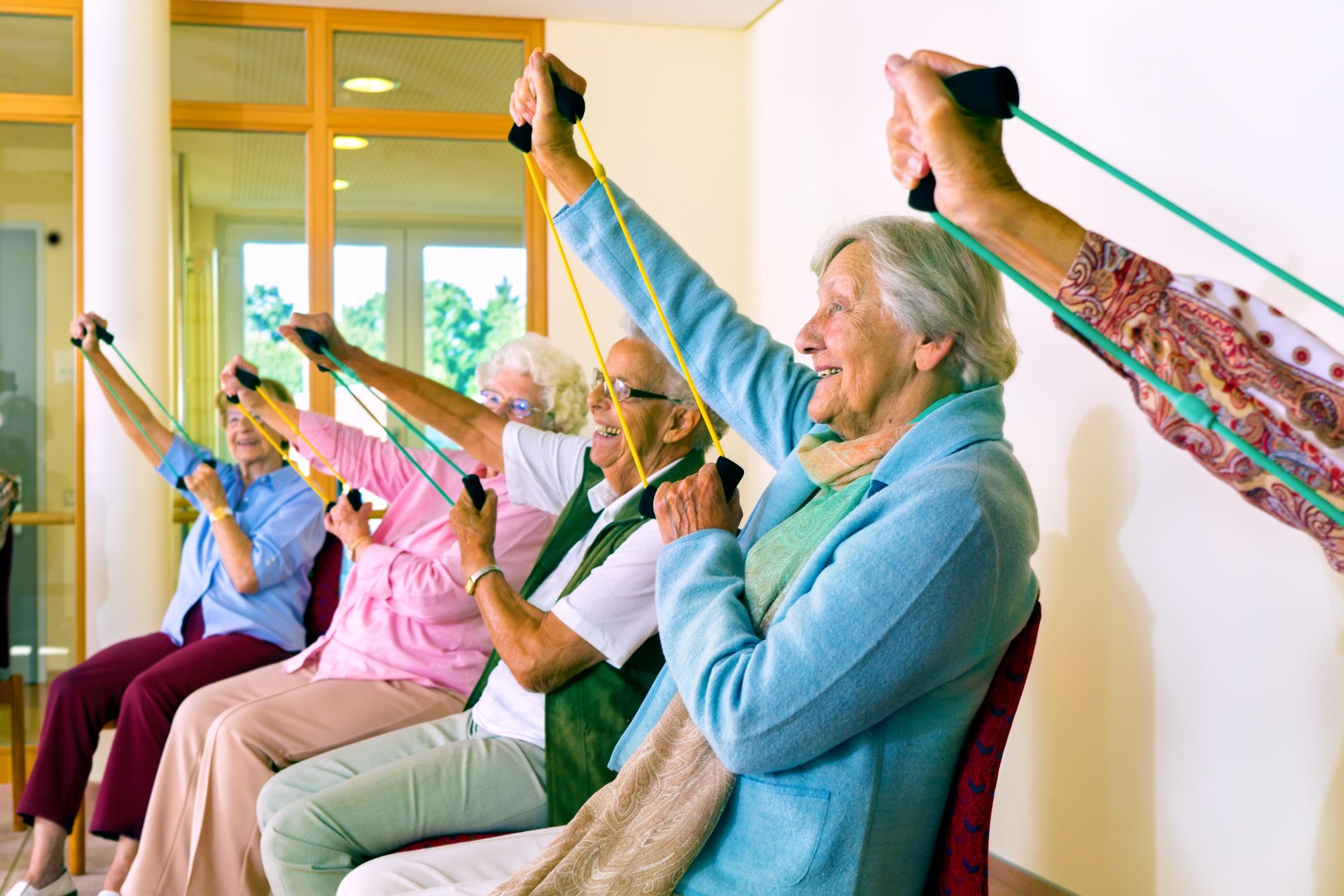
As we get older, changes in mobility, health conditions or simply having less energy than we once did can make it harder to keep active. However, regular movement is still an important part of feeling good, both physically and mentally, and there are plenty of ways to enjoy it at any age.
If you or a loved one are considering moving into a care home, you might worry that daily life will become more sedentary. Fortunately, a good care home will encourage residents to find enjoyable ways to keep moving, with the right support and encouragement along the way.
Why is it Important for Older People to Stay Active?
Staying fit and active is important for everyone, but it can make a particularly positive difference to older people and those living in care homes. Even small amounts of regular movement can benefit physical health, lift our mood and help us feel more confident in everyday life.
Regular physical activity can help reduce the risk of developing health conditions such as type 2 diabetes, heart disease and high blood pressure. It also supports muscle strength, joint health and mobility, making everyday activities easier. Maintaining strength and balance can also help reduce the risk of falls.
There are emotional benefits too. Feeling physically capable can give older people the confidence to carry on doing things independently, supporting their self-esteem and sense of wellbeing. Whether it's getting up from a favourite armchair or walking to visit a friend in another part of the home, these everyday achievements can make a real difference.
Staying active can also improve sleeping patterns and the quality of sleep, leaving residents feeling more refreshed and ready to enjoy the following day.
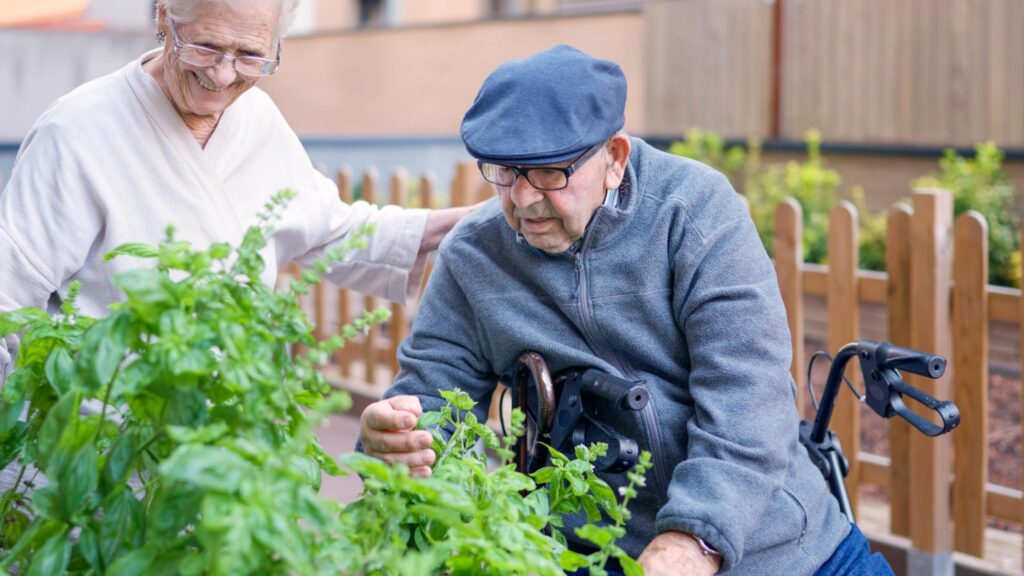
Spending time outdoors can be especially uplifting. Fresh air, natural light and the sights and sounds of a garden can help ease stress and improve our mood while gently exercising. Safe exposure to sunlight also helps our bodies produce vitamin D, which supports healthy bones.
Physical activity can also bring people together. Taking part in group activities can feel supportive and motivating, and can create opportunities to chat and share a laugh. These moments of connection can help residents build friendships and feel part of a welcoming community.
What Activities do Care Homes Offer to Keep Residents Active?
Care homes can offer a wide variety of activities to help residents stay active, whatever their interests or physical abilities. The focus should always be on enjoyment and personal choice, allowing everyone to take part in ways that feel comfortable for them.
Exercise Classes
Group activities can be led by a member of the wellbeing team or guided by a video. Residents follow along at their own pace, with exercises adapted to suit different levels of mobility. For example, seated yoga and gentle stretching can help maintain flexibility while offering a relaxing way to start the day.
Outdoor Walks
For those who enjoy being outdoors, a walk around the garden can be a lovely way to stay active. Care homes with secure gardens, level pathways and plenty of places to sit can make it easier for residents to enjoy a little fresh air whenever they wish. Some may enjoy a peaceful stroll on their own, while others might prefer walking with a friend or joining a small group.
Music & Dancing
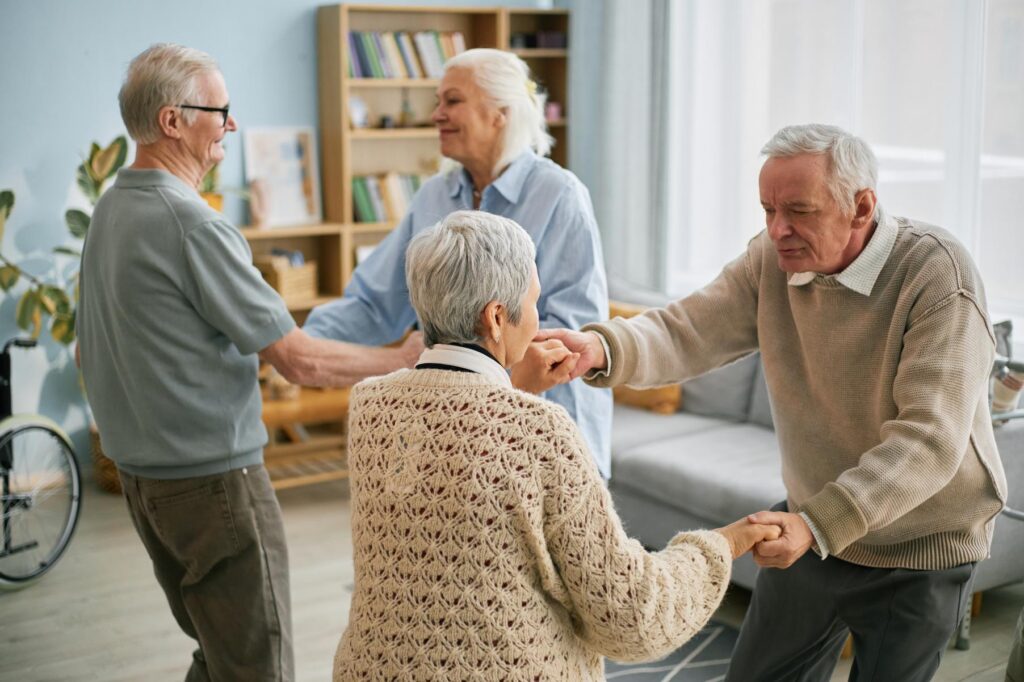
Music is another wonderful way to encourage movement without it feeling like a chore. Live performances or favourite songs played in the lounge can inspire residents to get up and dance, sway along in their chairs or simply tap their feet to the rhythm. Someone might enjoy shaking a tambourine or clapping along to a familiar tune. As well as encouraging movement, music can bring back happy memories, spark conversations and create a cheerful atmosphere that everyone can enjoy.
Care Home Games
Games can make physical activity feel fun and relaxed. A friendly game of ring toss, catch or a round of mini indoor golf can encourage movement while helping residents practise hand-eye coordination. These activities can be adapted so that everyone has the opportunity to join in, whether standing or seated. They also provide a chance for a little friendly competition and plenty of laughter.
A Supportive Environment
Of course, staying active isn't only about organised activities. The environment of a care home can make a big difference to how comfortably and confidently residents move around during the day. Wide, clutter-free corridors, level floors, well-placed handrails and seating at regular intervals can all help people feel at ease when moving from one area of the home to another.
Sometimes, simply feeling confident enough to walk to the lounge for a cup of tea or visit a friend in their room can encourage more natural movement throughout the day.
Above all, the attitude of the care team matters. Friendly encouragement, a reassuring presence and an understanding of each person's preferences can help residents feel comfortable trying an activity or building more movement into their routine. Staff can offer a helping hand when wanted while respecting each resident's independence and choices.
Staying Mentally and Physically Active
Looking after our minds is just as important as taking care of our bodies, particularly as we grow older. Keeping mentally active can support memory, concentration and emotional wellbeing. Activities that encourage thinking and social interaction can even help maintain cognitive abilities and support people living with dementia.
Staying socially active is also vital for our wellbeing. Many fun activities can bring residents together, such as a birdwatching group, gardening club, sport talk sessions and book clubs.
There are plenty of opportunities for mental stimulation through everyday pastimes too. Jigsaw puzzles, crosswords and other brain games can encourage concentration and problem-solving, while arts and crafts offer a chance to be creative. Cooking clubs can be particularly enjoyable, allowing residents to share favourite recipes, practice teamwork, follow instructions and reminisce about meals they once made for family and friends.
Learning something new can be equally rewarding. Care homes may welcome visitors to give talks on interesting subjects, arrange animal visits or organise outings to museums and local attractions.
The most important thing is that activities reflect the people taking part. Everyone has different interests, experiences and abilities, so offering plenty of choice helps residents continue enjoying the things they love while discovering new hobbies along the way.
Keeping Our Residents Active at Kingsacre Care Home
At Kingsacre Care Home, we understand how important it is for residents to feel active, confident and connected to the people around them. We believe that staying active should be enjoyable and inclusive, which is why we offer a varied range of activities that engage both the body and mind, with encouragement from our friendly care team and opportunities for everyone to get involved at their own pace.
If you’re looking for a compassionate care home near Glasgow, we’d love to meet you. Please arrange a tour of Kingsacre Care Home today, to see first-hand how we help our residents enjoy an active and fulfilling daily life.