How to Keep Older Loved Ones Safe and Well During Winter

Looking After an Older Loved One in Winter
Winter brings colder temperatures, icy conditions and shorter days, all of which can increase health risks for older adults. People aged 65 and over are more vulnerable to illnesses such as pneumonia, flu and respiratory infections, and colder homes can place additional strain on the heart and circulation. Mobility can also decline when someone is less active during winter, which can make everyday tasks feel harder.
If you have an ageing parent or loved one who lives alone, it is completely natural to feel concerned about how they will manage during the winter months. Below, we share practical ways to support them, along with signs that may suggest they would benefit from more structured care.
Key Signs an Older Loved One May Need Extra Support this Winter
You may notice that your loved one is finding daily life more challenging during colder months. These signs may indicate they would benefit from additional care and supervision:
- Struggling to keep warm at home
- Forgetting to eat regular meals
- Increased falls or balance issues
- Reduced mobility and physical weakness
- Feeling more isolated or down than usual
- Difficulty managing medication or appointments
If any of these feel familiar, a conversation about support, respite care or long term care may bring reassurance and clarity.
Practical Ways to Support Older Adults During Winter
Keep Vaccinations Up to Date
Winter illnesses spread more easily, so vaccinations play an important role in keeping older adults safe. Flu and Covid vaccines are offered annually, and your loved one may also be eligible for additional boosters depending on their health needs. Encourage them to speak to their GP or pharmacist about what is currently recommended.
Encourage Regular Movement
Short walks during daylight can help with strength, mood and vitamin D exposure. If walking outdoors is difficult, small movements or seated exercises at home can still support circulation and mobility. The NHS offers a range of gentle, chair-based exercise videos designed for older adults.

Support a Warming, Nutritious Diet
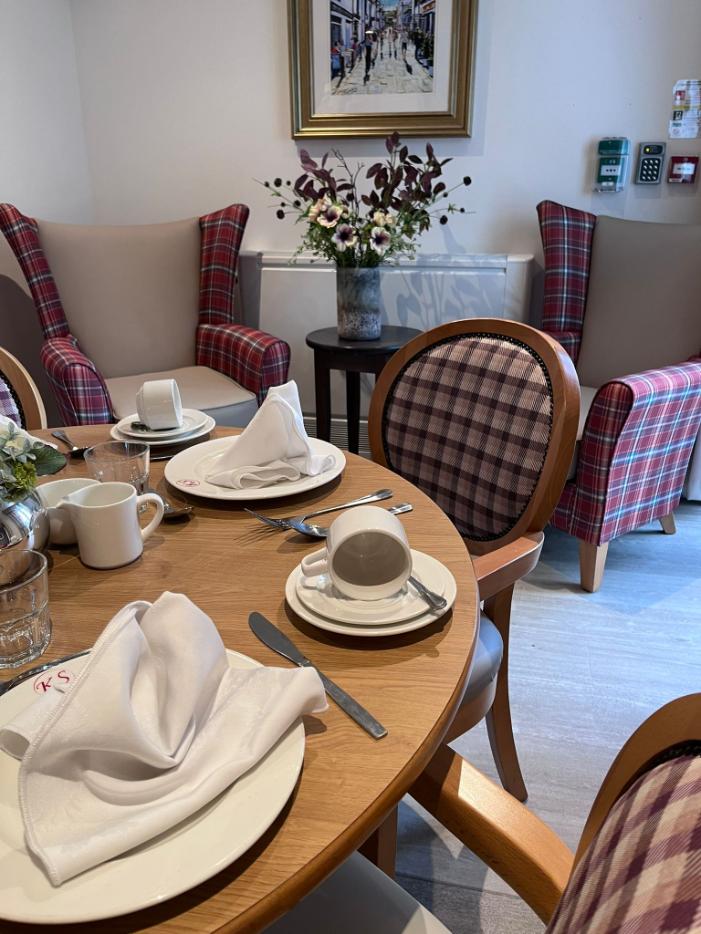
Healthy eating helps older adults maintain energy levels, improve concentration and keep warm. Foods rich in protein, healthy fats and whole grains can help stabilise blood sugar and increase body temperature. You can find helpful meal ideas on the Age UK website. Preparing meals together or batch-cooking can make it easier for loved ones to keep eating well.

Boost Vitamin D Intake
Natural light is limited during winter, so older adults may not get enough vitamin D. Supplements are often recommended for those aged 65 and over, and foods such as oily fish, eggs, yogurt and fortified cereals can help support healthy levels.
Prevent Chilblains and Circulation Issues
Encourage your loved one to warm up slowly after being outside. Going from cold to hot too quickly can cause painful chilblains. Wearing warm socks, gloves and layers can make a big difference.
Dress Safely for Cold Weather
Layers, hats, gloves and thermal vests help older adults stay warm, especially when temperatures drop. Properly fitted, warm shoes also help reduce the risk of falls and support circulation.
Prioritise Social Contact
Winter can feel isolating, especially during darker days. Regular visits, video calls or attending local community activities can help maintain social connection and lift someone’s mood. Loneliness can have serious effects on wellbeing, so staying connected is essential.
Why Winter Can Be Safer in a Care Home Environment
Families often feel reassured knowing that their loved one is warm, supported and surrounded by people who truly understand their needs. Care homes provide a safe and structured environment during winter with:
- Warm, comfortable rooms maintained at a healthy temperature
- Regular meals and hydration
- 24 hour support from trained care professionals
- Help with mobility to prevent falls
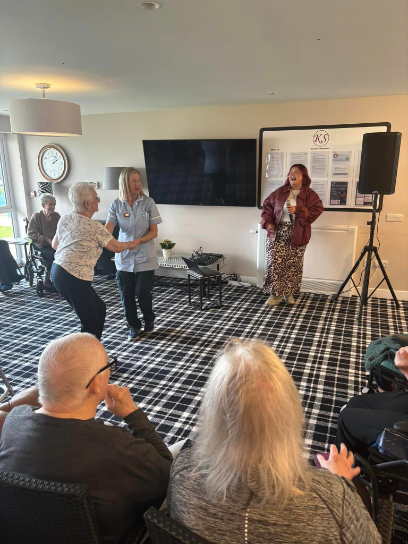
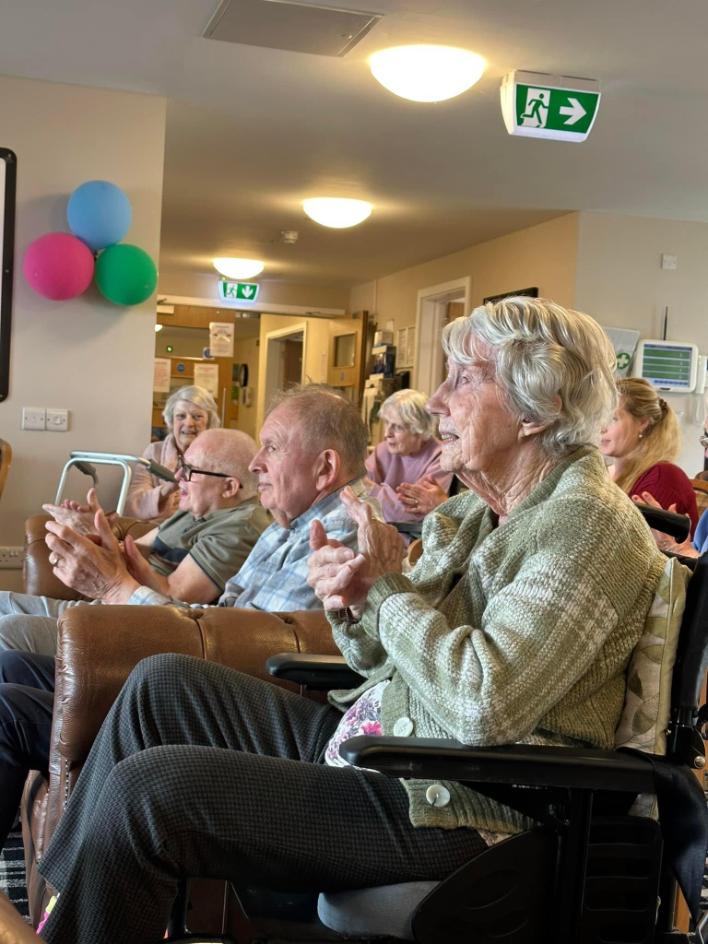
- Daily activities to promote mental and physical wellbeing
- Social interaction that supports emotional health
- Medication administration and oversight
This combination of support helps reduce winter-related health risks while promoting independence and enjoyment.
Comprehensive Winter Support at Kingsacre Care Home
At Kingsacre Care Home in Duntocher, we provide a warm, welcoming and safe environment where older adults can enjoy each day with confidence. Our dedicated team offers residential care, nursing care, dementia care and respite care, ensuring every resident receives the right level of support throughout the winter months and beyond.
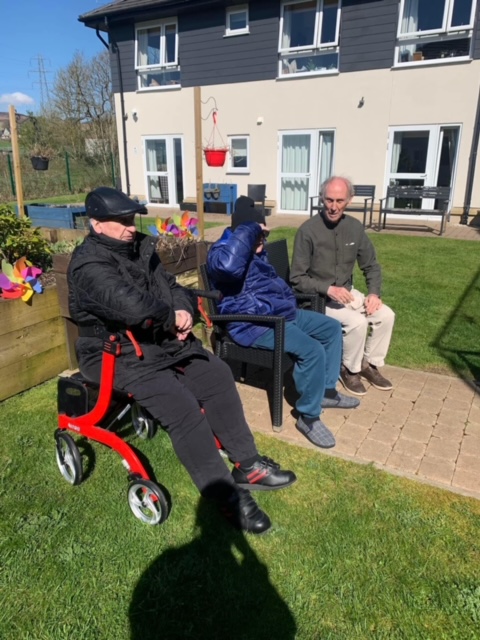
Residents benefit from nutritious meals, a varied Activities Programme, and access to our cosy communal lounges and beautiful outdoor spaces. When the weather allows, we encourage gentle outdoor time with staff ensuring warmth and safety at all times.
Loved ones are welcome to join residents for visits, special events and celebrations. Our facilities include a private dining room, inviting lounges and well-designed bedrooms, providing comfortable spaces to spend quality time together. You can learn more about life at Kingsacre Home by visiting our About Us page or exploring our care services.
Book a Visit to Kingsacre Care Home
If you are worried about a loved one’s wellbeing this winter or would like to understand how Kingsacre can support them, we would be delighted to help. Our friendly team is on hand to answer your questions and arrange a personalised tour.
Get in touch today to book your visit to Kingsacre Care Home.
This blog post was updated on Tuesday, 18th November 2025.